



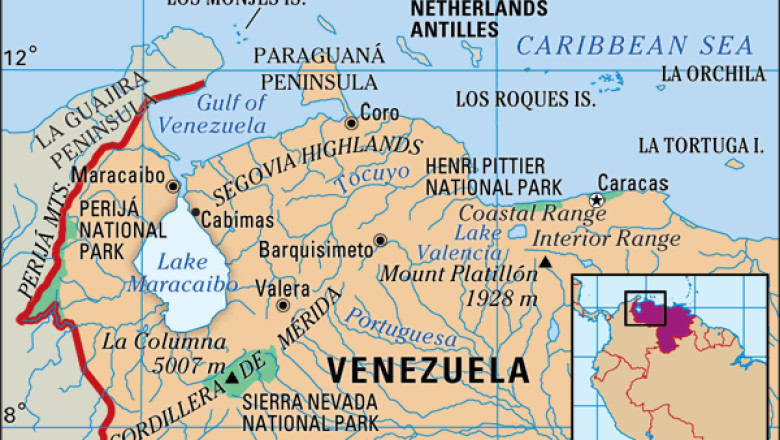

As the inky velvet cloak of darkness falls over the landscape, Lake Maracaibo in Venezuela becomes a stage for a natural spectacle unlike any other - an extraordinary nocturnal display of vivacious lightning. Everlasting and ethereal, this atmospheric spectacle reflects the raw power of Mother Nature, illuminating the night sky with vibrant hues of white and blue.
Lake Maracaibo, affectionately known as the 'Lightning Lake,' is located in northwestern Venezuela and is the country's largest lake. However, Maracaibo is not just notable for its substantial size; this enigmatic wonder of the world is globally renowned for its extraordinary meteorological phenomena - colloquially named 'the Beacon of Maracaibo.' This ephemeral beacon is a result of the splendid lightning storms that occur with an almost eerie regularity.
The Maracaibo lightning storms, at their zenith, generate approximately 280 flashes per hour, visibly defining the lake as a scintillating cauldron of light and crackling energy. The reason behind the almost ceaseless storms is a unique convergence of topographical and environmental factors that create the perfect conditions for these meteorological marvels to occur.
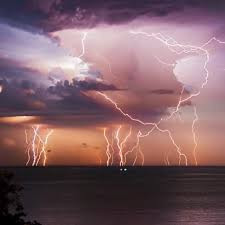
The surrounding Andes Mountain Range, combined with the tepid waters of the Caribbean Sea and the shape of the Lake itself, induces a nocturnal convergence of warm and cool air masses. The effective channelization of the wind and the ascending warm, moist air results in hefty, dense storm clouds, setting the stage for the powerful nightly lightning show.
A bolt of Maracaibo lightning can reach temperatures of up to 30,000 Kelvin - approximately five times hotter than the surface of the sun! This intense heat causes the surrounding air to expand rapidly, generating a thunderous shock wave that echoes through the darkness. Therefore, the Maracaibo storms, often termed Catatumbo Lightning after the river that empties into the Lake, are not only visually mesmerising displays of light but symphonic arrangements of sound.
Notably, NASA declared the Lake Maracaibo basin the 'lightning capital of the world' in 2015, a testament to its unparalleled lightning intensity. Though the roughly 150 to 160 nights per year of lightning may appear daunting, the locals have acclimatised to these unique phenomena, even relying on the bright flares for navigating their boats at night.
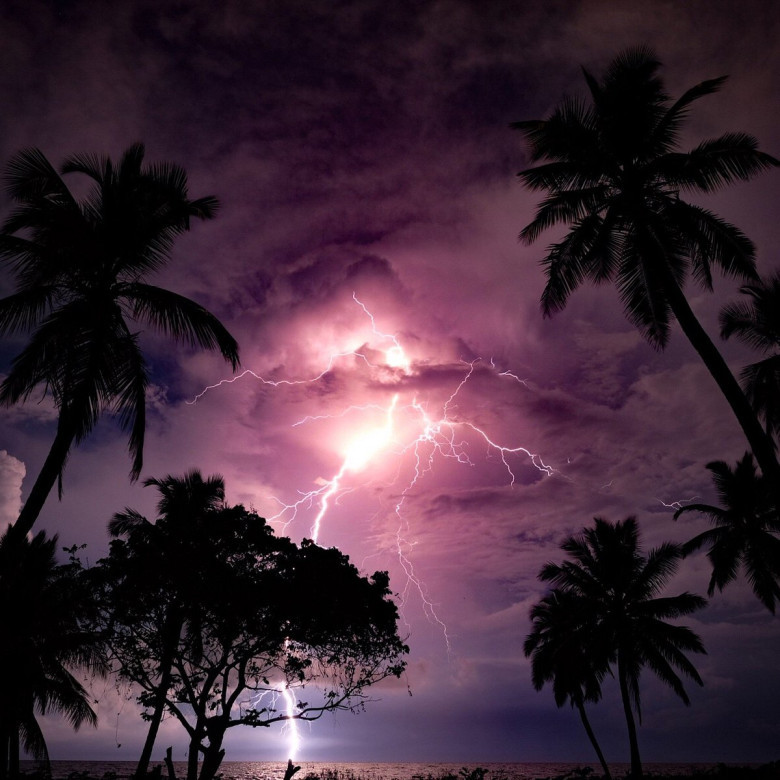
Besides its visual grandeur, the lightning phenomenon of Lake Maracaibo plays an essential role in maintaining the planet's electrical balance. Considering lightning discharges vast amounts of atmospheric electricity, Maracaibo significantly contributes to a global electrical circuit that aids in replenishing the Earth's ions.
Over the centuries, this spectacular light show has not only captured the imagination of visitors worldwide, but its rhythmic predictability has served as a navigational aid for ancient mariners who dubbed the phenomenon the 'Maracaibo Lighthouse'.
In conclusion, the atmospheric spectacle at Lake Maracaibo is one of Earth's most unique and visually stunning meteorological marvels. This exceptional location, where flashes of lightning illuminate the dark sky almost every night, encapsulates the awe-inspiring power of nature and sheds light on the intriguing complexities of meteorological phenomena. As the world increasingly recognises the importance of conserving our planet and its natural wonders, Lake Maracaibo stands as a vivid reminder of the captivating beauty that exists within the natural world.
References
- Recurrent thunderstorm activity and the mean global atmospheric electric circuit [Satyanarayana, M. L., Reddy, R. R., & Kamra, A. K. - Journal of Geophysics]
- Annual flash rate density map computed using data from the Lightning Imaging Sensor [Cecil, Daniel J., et al. - NASA]
Catatumbo Lightning - The Neverending Storm (A Short Film by Jonas Piontek)
Weird Places: The Endless Lightning at Lake Maracaibo
Lake Maracaibo || World top lakes || Chronicles of fame
Shooting the Everlasting Storm | That’s Amazing
The Lake Maracaibo Mystery: A Sea of Oil, A City of Decay
https://www.youtube.com/watch?v=XhwWmXBFf4A&pp=ygUYbGFrZSBtYXJhY2FpYm8gdmVuZXp1ZWxh











Comments
0 comment