





Impact on Society and Public Perception
The Forty Elephants, with their audacious exploits, made a deep imprint on their contemporary society, shaping the public's perception of female criminality and altering the gender norms of their time. Their impact was far-reaching, encompassing everything from romanticized media depictions to dire real-life consequences for businesses.
From sectors of high society and the glamourous circles of fashion retailers to the grittier side of London, dealing in pawnshops and jewellery, few could escape the influence of The Forty Elephants. They left a psychologist’s enigma and thrilling tales for crime historians. However, for the unfortunate retailers who were frequently the gang's targets, the impact was distinctly less romantic.
Their operations held a mirror to the society that had underestimated women’s capabilities, confining them into stereotypes of weakness and docility. The Forty Elephants shattered these presumptions, proving that women could not only match their male counterparts in criminality but also bring a new level of sophistication and daring to it.
Public perception of the gang was a dichotomy. While they were feared and, in some cases, loathed by the people they victimised, they were encapsulated in a shroud of grudging admiration and intrigued curiosity by mainstream society. Their audacious heists were at once shocking and fascinating, prompting depictions in popular culture that romanticised these criminal chameleons.
The portrayal of the gang in the media often teetered on the edge of glamorising their audacious crimes rather than vilifying them. This was a testament to the gang’s knack for public manipulation, where they manipulated the societal views into a warped admiration. The attention they received was a testament to their execution and planning abilities, while the women’s audacity and assertiveness directly challenged the Victorian notions of femininity and propriety.
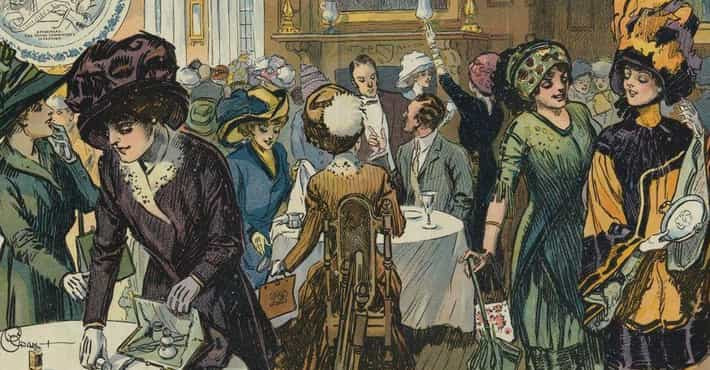
Furthermore, the gang employed savvy schemes to integrate themselves into society smoothly. They learned to exploit their femininity to deflect suspicion, dressing in high fashion to blend into the elegant boutiques they targeted. They also utilized an elaborate network of fences to sell their stolen goods, further insulating themselves from direct suspicion and arrest.
The gang's enduring legacy served to emphasize the uneasy relationship between crime and society. It revealed how society could be seduced by the thrilling spectacle of audacious criminality while remaining oblivious to its destructive impact. Furthermore, it served as a stark example of the latent potential within women that societal constriction suppressed. Without condoning their actions, one could argue that The Forty Elephants harnessed this potential to seize control, challenging the power structures and gender norms of their time.
In summary, The Forty Elephants significantly impacted society, influencing public perception and manipulating it to their benefit. They were a vivid reminder of the potential consequences of underestimating female agency, courage, and intelligence and dramatically underlined the need for a societal reconsideration of gender norms. The legacy they left behind was not merely notorious criminal records, but underscored societal imbalances, which, when rectified, pave the way for truly equal opportunities and better, law-abiding valour.








Comments
0 comment