



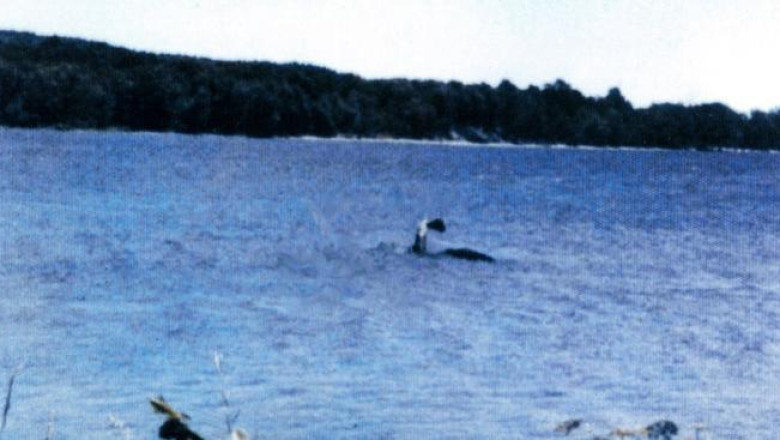

Deep within the recesses of Vermont's most legendary waterbody, Lake Champlain, lurks an enigmatic creature known affectionately as 'Champ', the Vermont Monster. Originally surrounded by whispers, mythical recountings and obscure sightings, 'Champ' has now effortlessly integrated itself into the Vermont identity. This article will endeavour to delve into the illusionary world of this elusive beast, excavating long established lore while also scrutinising its impact on the culture and community of Vermont.
The earliest report of this aquatic creature was in 1609 by Samuel de Champlain, after which the sublime Lake Champlain was named. Though this account is disputed today, it undeniably bolstered the legend, embroidering a pattern of tales associated with this opaque aquatic existence. Today, what sustains is not just the possibility of its existence, but also the narrative charm it imparts on Vermont.
'Champ', unproven yet integral, effortlessly suffixes 'monster' with 'mystery'. This semi-benevolent creature is considered the North American version of Scotland’s celebrated Loch Ness Monster. Resembling a plesiosaur with a slender, elongated neck, its image is vividly painted across postcards and billboards, hinting at a welcome mix of dread and delight. It's hard to dismiss Champ; the allure lies in both the tale and its teller.
Decades of alleged sightings have not provided conclusive evidence, yet the preservation of the folklore suggests the profound impact it has had on Vermont's social fabric. Even scientific attempts at demystifying 'Champ' have only served to thicken the cloud of mystery surrounding it. Multiple explorations, underwater recordings and photographic evidence have brought us no closer to uncovering the truth. Despite dwindling hints to its existence, 'Champ' endures, perhaps more persistently in the realm of ideas than in the murky depths of Lake Champlain.
Interwoven in the mystical fabric of Vermont's history, 'Champ' has grown beyond just a monster and evolved into a brand. It has seeped into the socio-economic life of Vermont, adding flavour to annual parades, illuminating tourist attractions and amplifying local commerce. Champ's power now extends beyond its unverified existence in the lake and firmly grips Vermont’s collective imagination as well as its economy. Such is the power of a monster that could potentially just be a myth, yet has a life and dynamism that invites us to believe otherwise.
However, the tale of 'Champ' also strikes a poignant note on our role as caretakers of the environment. Unintentionally, it has highlighted the fragility of Lake Champlain's ecosystem and boosted preservation efforts. The welfare of a mythical creature has served to protect that of countless proven inhabitants of the lake, reminding us of our profound responsibility towards nature.
Vermont's Monster, 'Champ', may not entirely belong to the order of the real, yet it stands tall as a monument, not just to humankind's fascination with the unknown, but also to the power of storytelling. It may contradict logic, but it validates imagination. The social, economic and environmental influence it wields belittles its theoretical existence; the inscrutable nature of 'Champ' adds depth to an intriguing narrative that mirrors the dark depths of Lake Champlain itself.
Today, 'Champ' is more than a mere monster; it's proud folklore, a silent guardian, and an ambassador of preservation. It is an enigmatic legend that continues to breathe life into Vermont's heritage. The mirth, the mystery, the impact - these extend 'Champ's influence beyond the inviting murkiness of Lake Champlain, making it Vermont's most celebrated, and intriguing, monster.
The Perplexing Legend of Vermont's Sea Monster • Mystery Files
New Footage of Lake Champlain’s Monster Is Finally Out… And It’s Terrifying
The Lake Memphremagog Monster of Quebec and Vermont.
Lake Champlain's Mysterious Creature: America's Loch Ness Monster | Boogeymen | Documentary Central









Comments
0 comment