




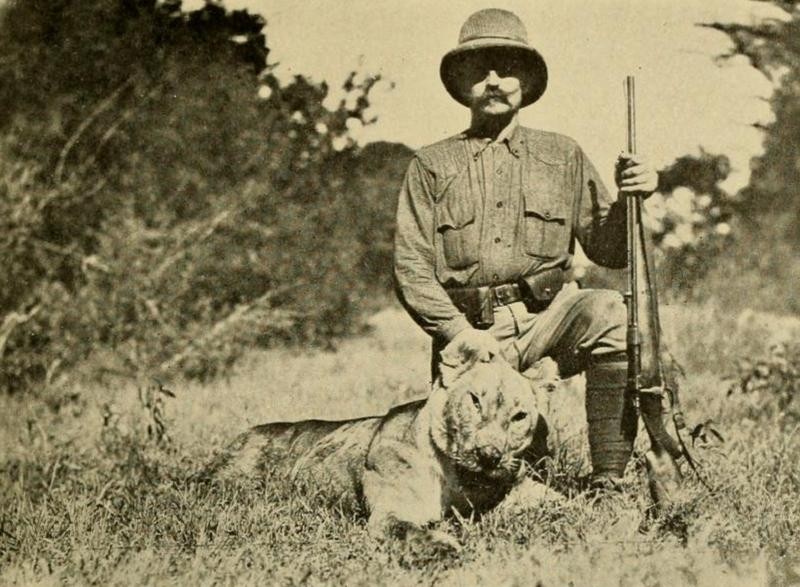
Under the reign of Leopold II, the Congo’s unique wildlife was fair game for sport killing by almost any hunter who could book passage and pay for a hunting license.
Elsewhere, violence took place on rubber plantations. These establishments take a lot of work to maintain, and rubber trees can’t really grow on a commercial scale in an old-growth rain forest. Clear cutting that forest is a big job that delays the crop and cuts into profits.
To save time and money, the king’s agents routinely depopulated villages – where most of the clearance work had already been done – to make room for the King’s cash crop. By the late 1890s, with economical rubber production shifting to India and Indonesia, the destroyed villages were simply abandoned, with their few surviving inhabitants left to fend for themselves or make their way to another village deeper in the forest.
The greed of the Congo’s overlords knew no boundaries, and the lengths to which they went to gratify it were likewise extreme. Just as Christopher Columbus had done in Hispaniola 400 years earlier, Leopold II imposed quotas on every man in his realm for production of raw materials.
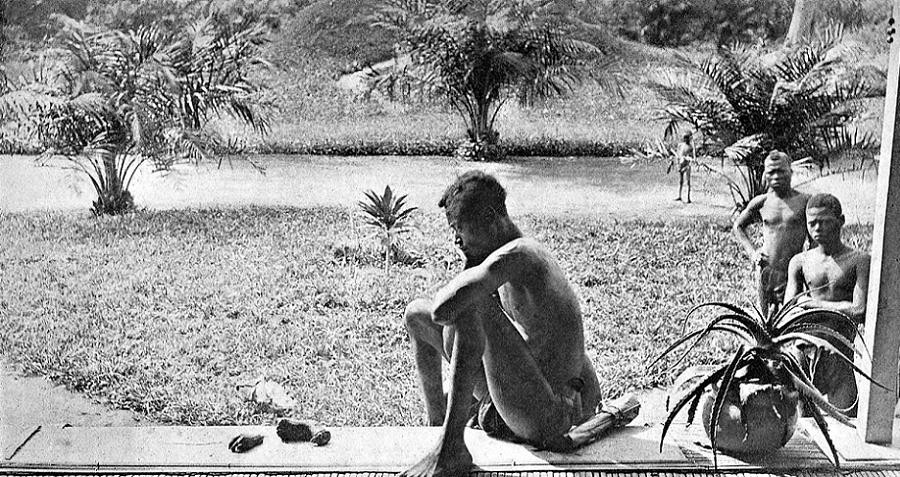
Men who failed to meet their ivory and gold quota even once would face mutilation, with hands and feet being the most popular sites for amputation. If the man could not be caught, or if he needed both hands to work, Forces Publique men would cut the hands off of his wife or children.










Comments
0 comment