



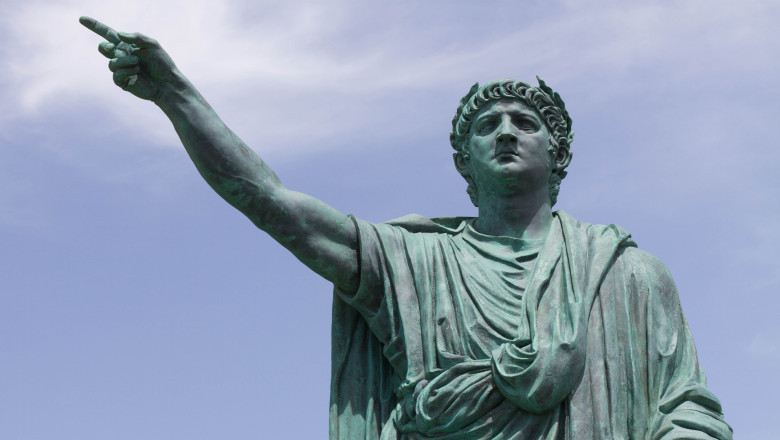

A tale spanning two millennia, Nero Claudius Caesar Augustus Germanicus, commonly known as Nero, held the most prestigious post in the Roman Empire from AD 54 to 68.
His life, marked by both grandeur and infamy, offers compelling insights into the vibrancy and volatility of ancient Rome.
Emperor at merely 16 years old, Nero reigned over one of the world's greatest civilizations. This account presents a comprehensive study of Nero, charting the course of his life, exploring his decisions, and decoding his complex personality.
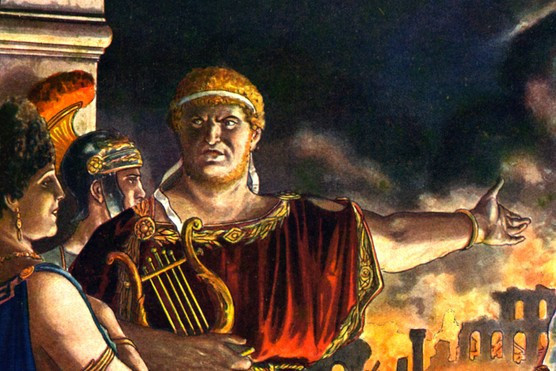
The Early Years
Born on December 15, AD 37, Nero was descended from an illustrious line which included the Roman emperor Augustus.
His mother, Agrippina the Younger, orchestrated Nero's ascension to the throne, making him the youngest emperor so far. However, his rule was not readily accepted due to his youth and Agrippina's perceived machinations.
Rise to Power
After taking the throne, Nero demonstrated political shrewdness, evidenced by his functioning partnership with his tutors, Seneca and Burrus.
His early reign was marked by sensible laws that improved Rome's judicial system, indicating his progressive outlook and charisma.
Empire UnderNero
Despite the initial success, Nero’s reign gradually led to a breaking point. His eccentric behaviour, coupled with the infamous execution of his mother, suggested a mental decline.
His indulgence in extravagant artistic pursuits was deemed unfitting for Rome's emperor, which further soured his relationship with the Senate.
The Fire of Rome
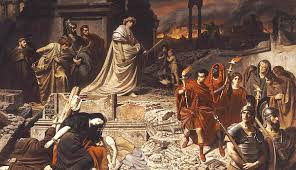
In AD 64, the unforgiving Fire of Rome ignited lasting disdain against Nero.
Accusations of Nero 'fiddling while Rome burned' persist, transitioning from historical context into modern parlance to represent uncaring or irresponsible behaviour in the midst of disaster.
End of Nero's Reign
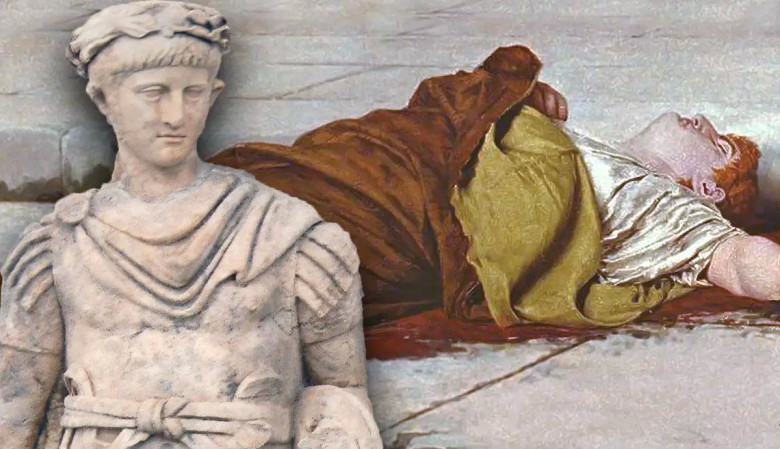
In AD 68, the revolt led by Galba marked the end. Nero, reportedly uttering "What an artist dies in me!", committed suicide, thus terminating the Julio-Claudian dynasty's reign.
His death ignited numerous revolts and instigated the infamous 'Year of the Four Emperors', further destabilising Rome.
Afterword:
While Nero’s legacy often vacillates between tyrant and tragic hero, he remains a captivating figure in the annals of ancient Rome. His life, replete with elements of drama, power, betrayal, and artistic pursuit, continues to provoke intrigue and debate among historians, demonstrating the enduring allure of this emblematic figure.
Thus, in exploring the story of Nero, one dives into the heart of Roman history, gaining insights not just into Nero’s reign but also into the societal, political, and cultural dynamics of the Roman Empire in its prime. Nero's tale epitomises the essence of power, reminding us that the thrill of ascendancy is often indistinguishable from the dread of downfall.
Who Was The Real Emperor Nero? | Tony Robinson's Romans: Nero | Timeline
The Complete History Of Emperor Nero: From Roman Prince To Madman










Comments
0 comment