




Critics, Controversies and Gardner's Legacy
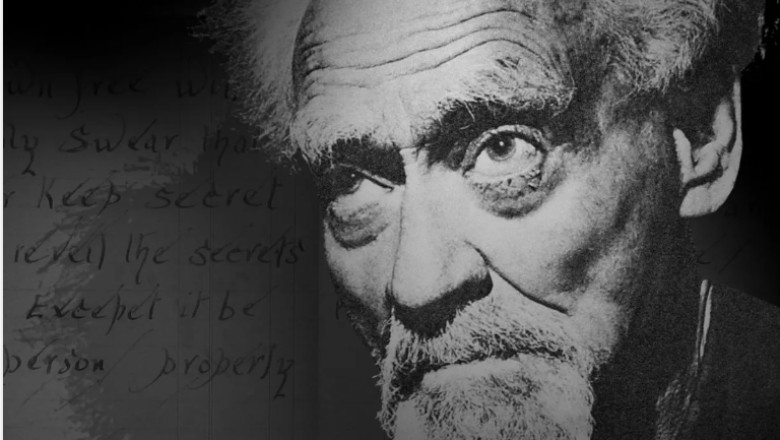
While Gardner's establishment of Wicca was revolutionary, he wasn’t free from controversy. Critics accused him of inventing the New Forest Coven initiation as a means to legitimize Wicca, which they claimed was simply a mishmash of ideas borrowed from Freemasonry, Rosicrucianism, and late 19th-century occultism, repackaged with medieval imagery.
Despite the skepticism, Gerald Gardner's Wicca has persisted and thrived. Today, the faith celebrates unparalleled global relevance and a community that spans continents. Gardner’s Wiccan ethos of harmony with nature, self-determinism, and duotheism have struck a chord worldwide, attracting people that value personal connection with the divine and adhere to the central ethical tenet, also known as the Wiccan Rede: "An it harm none, do what ye will."
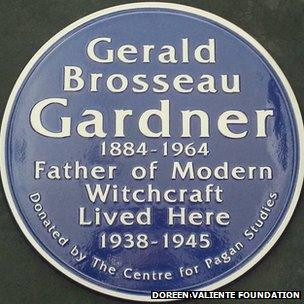
At the heart of Wicca, Gerald Gardner's legacy lies. He cracked open the door to the exploration of ancient paganistic practices, carving a path for modern witchcraft and leaving an indelible mark on contemporary spiritual understandings. As for the man himself, Gardner's end came on a voyage - aboard a ship, cruising the North African coast - a fitting farewell for an intrepid anthropologist who transformed the world's view of witchcraft, one sabbat at a time.





Comments
0 comment