





The Origins Of The Darién Scheme
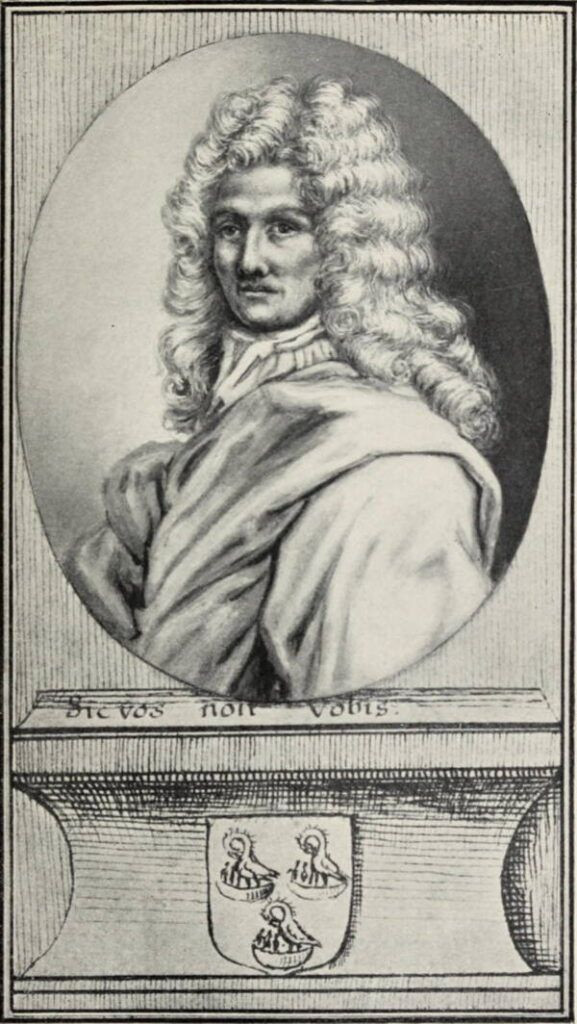 Scottish merchant and banker William Paterson successfully founded the Bank of England in 1694, but his plans for a colony in Panama devastated his homeland.
Born in Scotland in 1658, William Paterson didn’t remain in his homeland for long. Fleeing religious persecution at the age of 17, he emigrated first to England, and then later to the Bahamas. By some accounts, he made a living there as a preacher, while others have characterized him as a buccaneer.
But his time in the Bahamas changed the course of Scottish history forever. While there, he learned of the Isthmus of Darién (now the Isthmus of Panama), where North America and South America join together in a thin strip of land, with the Atlantic on one side and the Pacific on the other.
Realizing that a colony at this site could speed up global trade by serving as a gateway between the two oceans, Paterson returned to Europe. Over the course of several years, he unsuccessfully promoted his plan for a bustling Panamanian trade hub in England and a few other countries.
Alternately ignored or rejected, Paterson returned to England and focused his attention on trade. He also established the Bank of England, which would ultimately go on to be his most successful project.
He founded the bank in 1694 and served as its director for just one year before he withdrew from the post following a disagreement with his colleagues. After leaving the bank, he turned his full attention toward his “Darién scheme.”
During this period, Paterson’s native Scotland was being rapidly left behind by the rest of Europe. Its small, underdeveloped economy was no match for England or the other trading empires of the continent.
However, King William did decree that Scotland would be allowed to raise funds for establishing its own colonies. Paterson saw his chance.
Returning to his homeland, Paterson soon won over the public with dreams of fabulous wealth gained from Panamanian trade. In 1695, he established the Company of Scotland (which was modeled after the English East India Company), and opened its doors for business.









Comments
0 comment