




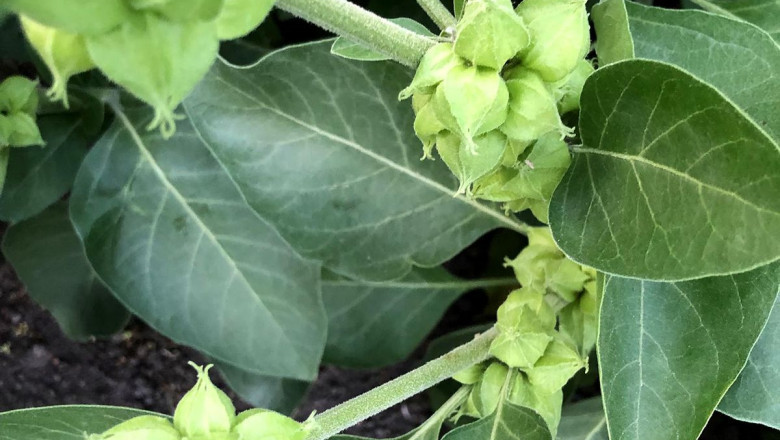
Therapeutic Uses of Ashwagandha: An Age-Old Medicinal Gem
The legacy of Ashwagandha in the therapeutic world is nothing short of extraordinary. Since ages, it has been a cornerstone in Ayurveda's vast healing repertoire, recognised for its potential to promote both physical and mental wellbeing. As modern science furthers its understanding of this unique herb, we realise that the ancient wisdom encoded in Ayurvedic texts holds essential validity.
Primarily known for its adaptogenic properties, Ashwagandha aids in promoting physiological harmony by enhancing the body's resilience to stress and fatigue. Chronic stress can lead to a host of health issues, from insomnia and chronic fatigue syndrome to more severe conditions like hypertension and heart disease. By regulating cortisol levels, our bodies' primary stress hormone, Ashwagandha effectively mitigates the harmful effects of long-term stress and anxiety.
The herb's antioxidant and anti-inflammatory constituents also contribute significantly towards its therapeutic uses. Its rich withanolide content makes Ashwagandha a potent soldier against oxidative stress - the imbalance between free radicals and antioxidants in the body - often a precursor to inflammatory and autoimmune conditions.
Integrating Ashwagandha into daily life can work wonders for improving mental function and memory. Its neuroprotective properties have shown promise in managing cognitive disorders such as Alzheimer's and Parkinson's. Its ‘brain-boosting’ potential lies in its capacity to promote nerve growth, leading to improved cognition and memory.
Emerging research also presents Ashwagandha with potent anti-cancer characteristics, particularly withaferin A, a withanolide with the ability to inhibit the proliferation of cancer cells. Studies reveal its potential in slowing or preventing the growth of several types of cancers, including breast, lung, colon and ovarian cancer.
One cannot overlook Ashwagandha's role in hormonal balance either. In women, it helps in managing symptoms associated with Polycystic Ovary Syndrome (PCOS), menopause, and premenstrual syndrome (PMS). For men, Ashwagandha's potential to improve testosterone levels can contribute positively towards both reproductive and overall health.
Moreover, Ashwagandha's potential influence on the immune system, owing to the abundant withanolides, is noteworthy. It promotes the activity of immune cells, thereby enhancing the body's defence against diseases.
From supporting mental wellbeing to aiding physical resilience, combating chronic conditions to boosting immunity, Ashwagandha's role in promoting all-round health is unmistakable. Its wide-ranging therapeutic uses, solidified by both traditional wisdom and scientific validation, are proof of nature’s incredible healing potential housed within this humble herb.
Thus, it is plain to see why Ashwagandha, a true Ayurvedic gem, continues to be revered in modern therapeutic practices. Its qualities transcend beyond mere sustenance – it serves as a medium to achieve the ultimate goal of health, which is complete physical, mental, and spiritual wellbeing.










Comments
0 comment